Why Alpaca Wool

Exploring the allure of Alpaca Wool.
Alpaca wool is a type of yarn crafted from the fluffy hair that grows naturally on alpacas. This wool is known for its exceptional softness, water and snow resistance, shine and light weight. Nature.
Compared to sheep’s wool, alpaca fleece is considered five times warmer and more durable due to its microscopic air pockets that enhance its insulation properties. With all these unique characteristics, alpaca wool is highly sought after by consumers and is classified among the finest yarns. Renowned for its luxurious texture, it is often associated with rare and premium fibers like cashmere and mohair.
The history of alpacas traces back thousands of years when the vicuna, the ancestors of alpacas, were domesticated and bred by the indigenous communities in the Andean highlands of Bolivia, Peru, and Chile. Through selective breeding of vicunas, alpacas were developed and quickly became essential to the Inca tribes, valued not only for their fur but also for their meat. Initially, alpaca fleece was exclusively reserved for 'royalty' due to its many beneficial properties and was even honoured as 'the fiber of the gods.'
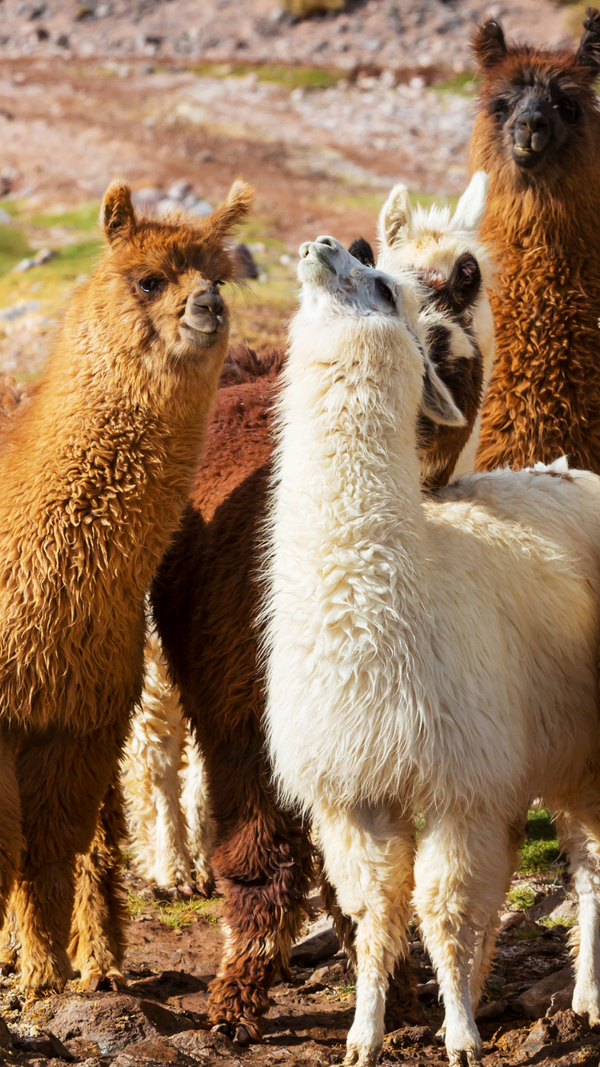
Two primary alpaca breeds are commonly utilized for textile purposes: the Huacaya alpaca and the Suri alpaca. These breeds possess distinct qualities and hair textures, both highly valued. Huacaya alpaca fibers are short and bouncy with a natural crimp, providing stretchability. On the other hand, Suri which is only the 5% of the alpaca population, have long, silky, shiny hair that forms into dreadlock-like twists.

How is alpaca wool made
Alpaca wool production commences with shearing the alpacas once their fluffy hair fibers have grown to the appropriate length. The timing of shearing can vary based upon the rate of hair growth and herd location. Ideally shearing is performed before the of warmer months.
Shearing methods mainly fall into two categories: hand shearing and electric shearing. Traditional hand shears, akin to scissors, can be time-consuming when there is a large herd to shear. Electric shears have become more popular due to their quick completion time, typically within minutes.
Typically, 2-3 people participate in the shearing process as alpacas are quite resistant to it. Shearers usually shear alpacas close to the skin, causing the entire coat to come off in one large piece.
After the raw wool is freshly harvested, it is carded (combed in a uniform direction to separate the hair strands) and prepared for spinning into yarn. There are two spinning methods:
Following the spinning process, the wool is washed to eliminate dirt and other impurities.
Indigenous communities create eco-friendly and uncomplicated washing solutions from wild plants to clean the wool. Conversely, in some regions, wool may undergo cleaning with non toxic agents before the weaving or knitting process. Subsequently, the wool is air dried and becomes ready for use in textile items.
Sustainable wool
Alpaca wool is environmentally sustainable due to the low environmental impact of breeding alpacas and harvesting their wool. Most alpacas are bred in their natural habitat, the Andean highlands.
Alpacas graze lightly without harming root systems, preserving the land and allowing plants to thrive even after grazing. Moreover, alpacas consume less water and food compared to sheep and goats. Additionally, their padded feet are gentle on the soil surface, minimising environmental impact.
Alpaca fleece is naturally lanolin and oil-free, making it simple to wash without the need for harsh detergents or chemicals. Additionally, alpaca waste can serve as a powerful fertilizer.

Why alpaca socks are more expensive?
The fleece from younger alpacas is more expensive as it is softer, lighter and premium quality. The fleece from older alpacas can be less costly because of its thickness and greater availability.
The cost of alpaca wool differs based on the various available colours, with the most sought-after colours fetching higher prices.
Alpaca wool can have a higher price due to the ethical practices employed, such as traditional shearing techniques, fair trade standards, equitable wages, and, notably, sustainable alpaca farming by indigenous communities.

Ethical Yarn wool
Alpaca wool is considered ethical because alpacas require regular shearing to maintain their well-being and comfort. The ethicality of alpaca wool depends on the breeders, extraction processes, and the timeframe in which the wool is obtained.
In South America, alpaca breeders are primarily indigenous individuals who have a deep passion for raising and shearing alpacas. Alpaca wool has been their main source of income for generations. They show great care for their woolly companions and use traditional, eco-friendly practices to harvest the wool. Picture the shearing process as a yearly "haircut" for the alpacas, essential to prevent discomfort if not done regularly.
Alpaca fleece is typicallysheared once a year to allow the fleece to grow to the desired length and quality. Some ethical breeders choose to shear the soft fiber every 1.5 years. Shearing occurs in spring or early summer to ensure the alpacas are comfortable in the warmer months. The process is conducted ethically using gentle, traditional methods to ensure the well-being of the animals.
Cruelty Free on Alpaca Wool
Alpaca wool is both cruelty-free and environmentally sustainable. Shearing alpaca fleece is necessary to prevent health problems since alpacas do not naturally shed their fleece. Although shearing can be stressful for the animals due to the noise and restraint involved, when performed carefully and gently, it provides relief to the alpacas.

Properties of Alpaca Wool
- Alpaca wool is completely biodegradable and environmentally friendly.
- It is lightweight, extremely soft, and offers a luxurious feel compared to conventional wool varieties.
- Alpaca wool has low water retention, which is appreciated also for their its water-repellent property.
- The lightness of alpaca fiber helps to trap and preserve heat, providing excellent insulation without adding excess weight.
- It is non-flammable.
- Alpaca wool is hypoallergenic due to its natural absence of oils and lanolin.
- It lacks the scratchy texture of wool, making it more comfortable to wear.
- Alpaca wool contains small air pockets that improve breathability.
- Huacaya wool is elastic, ideal for knitting, while Suri alpaca wool, with its long silky fibers, is better suited for weaving.
Alpaca Wool Utilisation
- Recognized for its exceptional insulation properties, alpaca wool is highly versatile and is commonly utilized in crafting various winter attire such as cardigans, coats, sweaters, shawls, shirts, and other outerwear options.
- Home furnishing products such as alpaca wool mattress toppers, bedsheets, blankets, duvets, mats, and throws are also crafted from alpaca wool.
- Items like gloves, scarves, mittens, and socks can be crafted using alpaca yarn.

Can Alpaca wool get washed?
Yes, we recommend gentle hand washing your Andino Alpaca 100% Baby Alpaca garment, using a mild detergent suitable for wool or silk clothing. Following the detergent manufacturer’s instructions, ensure the water is just lukewarm (maximum temperature 30° C). Never use chlorine bleach.
Once clean, rinse several times to remove any traces of detergent. Gently hand press the garment to remove excess water, avoiding creasing or twisting. Allow the item to dry naturally in a flat position, to avoid distortion of shape or stretching. Do not tumble dry.
If you wish to iron the garment, first ensure that the iron is on a cool setting.
To remove stubborn stains, you may choose to have the garment dry cleaned.
Can alpaca wool get wet?
The alpaca fiber's structure and warmth facilitate water evaporation. Alpaca is not waterproof but is deemed water-repellent. On the other hand, wool can absorb up to fifty percent of its weight in moisture, reaching a saturation point.
Are alpaca wool socks good
Their exceptional features like breathability, moisture-wicking, and lightweight design make them perfect for ensuring your feet stay comfortable while engaging in various weather conditions.